Source Multi Country Bill Acceptor With Eu Plug for Gaming
Compare 30 listings for a multi country bill acceptor with eu plug suitable for amusement parks, gaming centers, and shopping malls. Buyers can review specifications like voltage, material, and interface options from verified suppliers in Guangdong, China; compare the available evidence and request quotations based on your requirements.
Key considerations
Products List
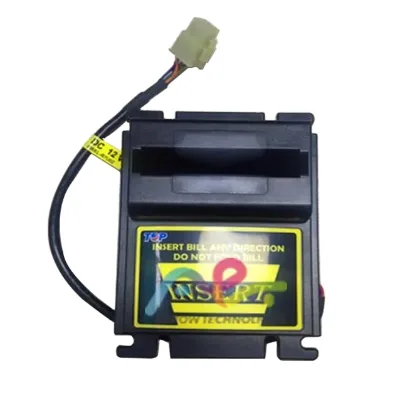
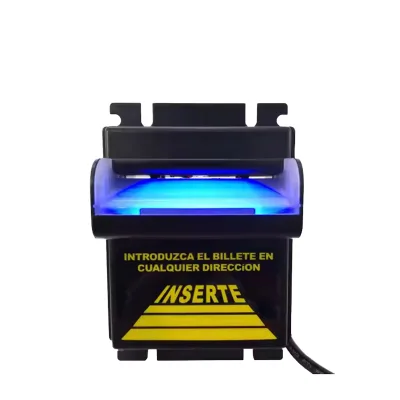
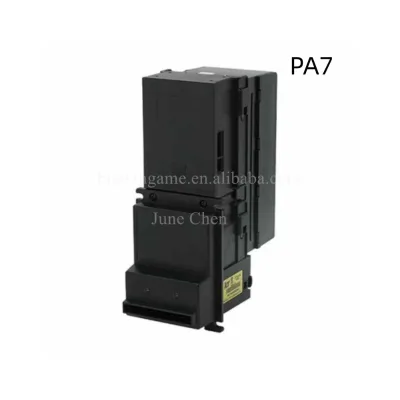
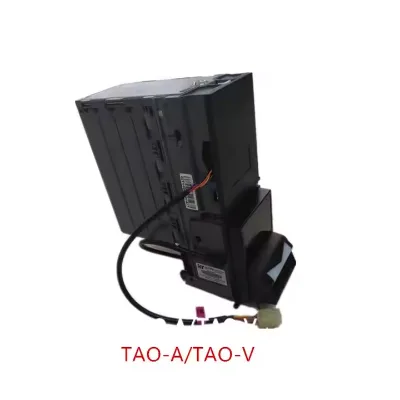
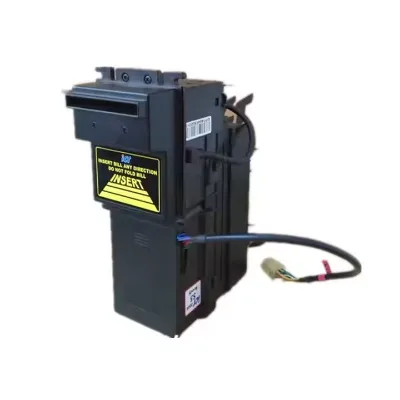
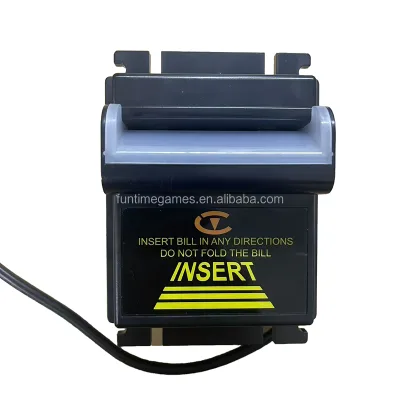
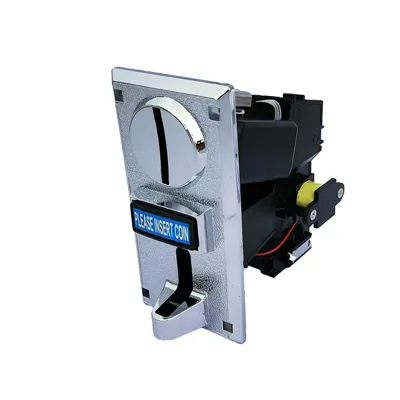
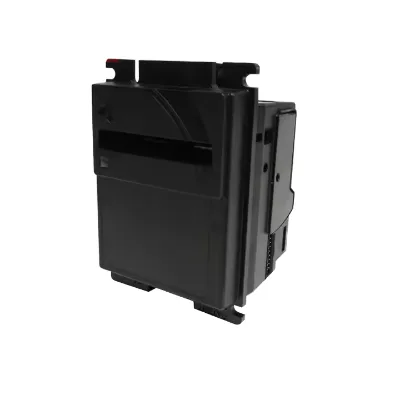




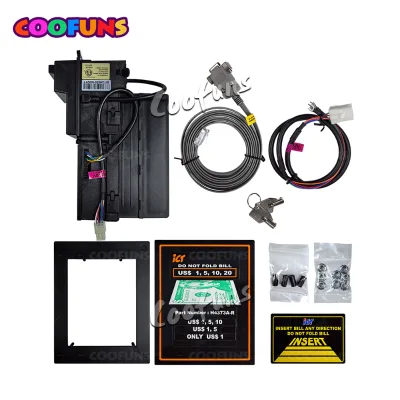


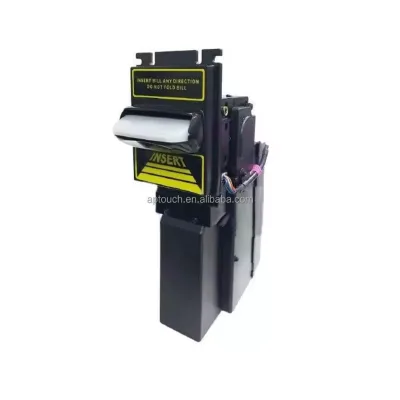


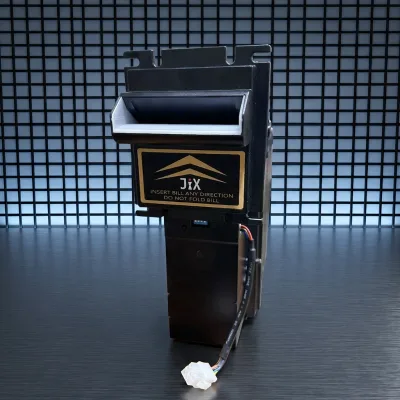
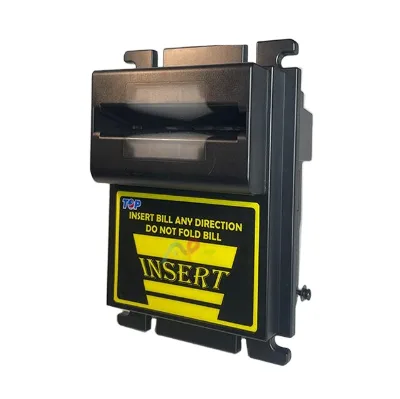
Comprehensive Sourcing Guide
Multi Country Bill Acceptor with EU Plug Sourcing Guide
Procuring bill acceptors for international amusement and gaming venues requires careful attention to regional electrical standards and mechanical compatibility. The core challenge lies in sourcing devices that accept diverse currency types while adhering to the specific voltage and plug configurations of the target market. Buyers must distinguish between generic units and those explicitly engineered for European infrastructure, ensuring that the physical plug type matches local outlet standards to prevent immediate installation failures. This guide focuses on the critical verification steps needed to secure reliable hardware that supports multi-currency operations without compromising safety or performance in diverse geographic locations.
The procurement process involves evaluating a wide range of models, from simple coin pusher integrations to complex video game machine interfaces. Suppliers often list products with varying power sources, such as 110/220V AC or 12V DC, which directly impacts the necessary power supply units and wiring infrastructure. Understanding these electrical distinctions is vital for facility managers who need to ensure seamless integration with existing venue power grids. By focusing on verified specifications rather than marketing claims, buyers can avoid costly retrofits and ensure that the selected bill acceptors operate efficiently within the specific operational constraints of their amusement parks or gaming centers.
Product Scope and Observed Listing Signals
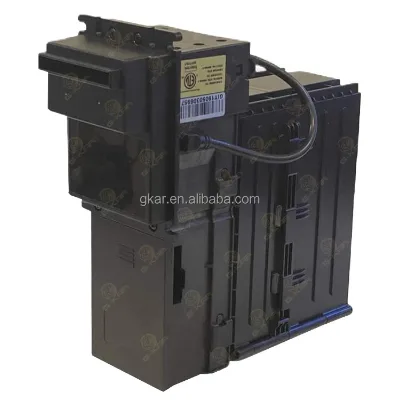
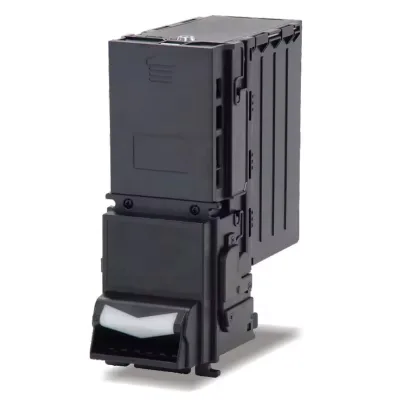
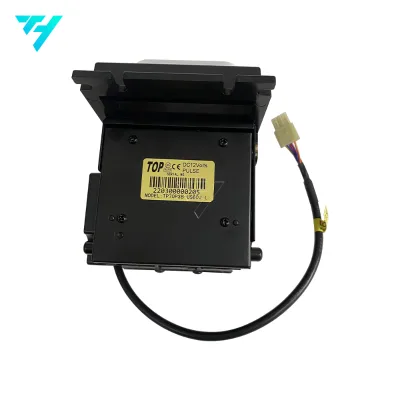
Market listings for bill acceptors reveal a diverse array of product types, including dedicated coin pusher mechanisms and standalone currency validation modules. Observed data indicates that many units are designed for applications such as amusement game centers, gaming arcades, and shopping mall entertainment zones. These devices often feature interfaces like Pulse or RS232, allowing them to communicate with host gaming machines or vending systems. Buyers should note that while some products are marketed as coin pushers, they may integrate bill acceptor functionality, requiring careful review of the product description to confirm the specific currency handling capabilities required for the intended application.
The observed product range includes models with varying physical dimensions and weights, suggesting differences in internal mechanism complexity and durability. For instance, some units are packaged in small cartons with single package sizes around 15x15x8 cm, while others are larger, indicating robust construction for high-traffic environments. Language support is another key signal, with many devices offering interfaces in English, French, Chinese, Italian, and German, which is crucial for international deployment. Buyers must verify that the selected model supports the local language for user interaction and maintenance, ensuring that venue staff can operate and troubleshoot the equipment effectively without language barriers.
Technical Specifications to Verify
Electrical compatibility is the most critical technical factor when sourcing bill acceptors for European markets. Buyers must confirm that the device supports the local voltage standard, typically 220V, and includes the correct plug type, such as the EU plug, to ensure safe and direct connection to power outlets. Some listings mention 110/220V compatibility, which offers flexibility, but the physical plug must still match the regional standard. Additionally, verify whether the unit requires an external power supply or operates on low voltage DC, such as 12V, which may necessitate additional power conversion equipment during installation.
Mechanical and interface specifications also play a significant role in system integration. Buyers should check the communication interface, such as Pulse or RS232, to ensure compatibility with the host gaming machine or control system. The material construction, often steel or acrylic, affects durability and aesthetic integration into the venue. Furthermore, verify the bill acceptance capacity and mechanism type, as some units are designed for specific note sizes or denominations. Ensuring that the model number and single package dimensions align with the physical space constraints of the gaming cabinet or kiosk is essential for a successful installation.
Compliance and Safety Documentation
Safety compliance is non-negotiable for electrical devices installed in public amusement and gaming venues. Buyers must request documentation that verifies the product meets relevant European safety standards, such as CE marking, which indicates conformity with health, safety, and environmental protection standards for products sold within the European Economic Area. While some listings may mention certifications like RoHS, buyers should independently verify the validity of these certificates with the supplier to ensure they are current and applicable to the specific model being purchased. This verification process helps mitigate legal and safety risks associated with non-compliant electrical equipment.
In addition to safety certifications, buyers should inquire about warranty terms and after-sales support. A standard warranty period, such as 12 months, provides a baseline for manufacturer responsibility, but the scope of coverage should be clearly defined. Understanding the warranty process, including how repairs or replacements are handled, is crucial for minimizing downtime in high-traffic venues. Buyers should also verify if the supplier provides technical support in the local language, ensuring that any issues can be resolved quickly and efficiently without language-related delays.
Cost Drivers and Commercial Terms
The cost of bill acceptors is influenced by several factors, including the complexity of the currency validation mechanism, the materials used, and the level of customization required. Units with multi-currency support and advanced interfaces tend to be more expensive than basic models. Buyers should also consider the minimum order quantity (MOQ) requirements, which can range from single units to larger batches, affecting the total procurement cost. Understanding the pricing structure, including any additional fees for shipping, customs, or installation support, is essential for accurate budgeting and cost control.
Commercial terms such as payment methods, shipping options, and lead times also impact the overall procurement strategy. Buyers should negotiate clear terms regarding delivery schedules to ensure that the equipment arrives in time for venue openings or upgrades. Additionally, consider the total cost of ownership, including maintenance and potential spare parts requirements. Establishing a relationship with a supplier who offers competitive pricing and reliable logistics can help streamline the procurement process and reduce long-term operational costs.
Supplier Qualification and Quality Control
Selecting a qualified supplier is critical to ensuring the reliability and longevity of the bill acceptors. Buyers should verify the supplier’s manufacturing capabilities, including their production capacity and quality control processes. Suppliers based in regions known for electronics manufacturing, such as Guangdong, China, may offer competitive pricing, but buyers must assess their reputation and track record in the industry. Requesting references or case studies from previous clients can provide insights into the supplier’s reliability and the performance of their products in real-world applications.
Quality control measures should be clearly defined and agreed upon before placing an order. Buyers should inquire about the testing procedures used to ensure that each unit meets the specified performance standards. This may include functional tests for bill acceptance accuracy, durability tests for mechanical components, and electrical safety tests. Establishing a clear quality assurance protocol helps minimize the risk of receiving defective units and ensures that the purchased equipment meets the high standards required for commercial gaming and amusement applications.
Long-Term Procurement Checks
Long-term success in procurement depends on the supplier’s ability to provide consistent quality and support over time. Buyers should establish a regular review process to assess the performance of the installed bill acceptors, monitoring metrics such as acceptance rates, error frequencies, and maintenance needs. This data can help identify potential issues early and inform future purchasing decisions. Additionally, maintaining open communication with the supplier regarding product updates or improvements can ensure that the venue benefits from the latest technological advancements in currency validation.
Sustainability and regulatory changes may also impact future procurement needs. Buyers should stay informed about evolving standards for electrical safety and environmental compliance, ensuring that future purchases remain compliant with local regulations. Building a diversified supplier base can also mitigate risks associated with supply chain disruptions or changes in supplier capabilities. By focusing on long-term relationships and continuous improvement, buyers can ensure that their gaming and amusement venues operate efficiently and safely for years to come.
FAQs
What is the typical voltage for these bill acceptors?
The typical voltage is 110/220V AC or 12V DC depending on the specific model selected. Some units operate on standard power sources while others require direct DC input. Always verify the power source requirement against your local electrical standards before installation to ensure safe operation.
Which materials are commonly used for the housing?
Common housing materials include steel and acrylic to ensure durability and aesthetic appeal. Steel provides robust protection for internal components in high-traffic areas. Acrylic offers a transparent look often preferred for modern arcade designs. The choice depends on the specific application environment and desired visual style.
Can these devices be customized for specific brands?
Yes, customization options are available for certain models to match specific brand requirements. Some units support custom branding while others remain standard. Buyers should confirm customization availability with the supplier as it varies by model number and production batch. This allows for tailored solutions in amusement parks.
What is the minimum order quantity for these units?
The minimum order quantity typically ranges from one set to two hundred units depending on the supplier. Some vendors offer single item purchases while others require bulk orders. Check specific product listings for exact MOQ values as they vary significantly between different manufacturers and model configurations.
Where are these bill acceptors manufactured?
These devices are primarily manufactured in Guangdong, China. This region is a known hub for amusement game equipment production. Buyers should verify the specific place of origin on the product page as some listings may indicate different locations within China or other regions.
What warranty periods are typically offered?
A standard warranty period of 12 months is commonly offered for these bill acceptors. This covers manufacturing defects and ensures product reliability during the initial usage phase. Buyers should review the specific warranty terms provided by the seller as coverage details may vary between different product models and suppliers.
How much does a single unit weigh?
Single unit weights typically range from 1.0 kg to 2.0 kg depending on the model and materials used. Lighter units often use acrylic while heavier ones utilize steel construction. The exact weight is listed in the product specifications and affects shipping costs and installation requirements.